
Money stress is real, and if you’re reading this, you’ve probably felt it. Maybe you get paid, and a few days later, you wonder where all the cash went. Perhaps you’re constantly worried about that next big bill coming due. It’s an anxious, frustrating cycle that far too many of us know well.
But what if I told you there’s a simple, proven way to take back control? The solution isn’t a complex stock market strategy or a lottery win. It’s something much more grounded and practical: a Monthly Budget.
A solid Monthly Budget isn’t about restriction; it’s about freedom and clarity. It’s a tool that lets you tell your money exactly where to go. Think of it as a detailed roadmap for your dollars.
This guide is your simple, step-by-step roadmap to creating a Monthly Budget that genuinely works for your life. We’re going to break down the process into easy, manageable steps. By the time you finish, you’ll be ready to achieve real Personal Finance success and start sleeping better at night. Let’s dive in!

Step 1: Know Your Numbers – The Foundation of a Monthly Budget
You can’t build a skyscraper without a blueprint, and you can’t build a successful Monthly Budget without knowing your current financial landscape. This initial step is about pure data gathering. We need to figure out exactly how much money is coming in and exactly how much is going out.
This is the non-negotiable foundation of all your Personal Finance success. Knowing your numbers helps you see the truth about your money habits. It’s a process of honest self-assessment before you start making any changes.
Figure Out Your Total Monthly Income
First, let’s focus on the money flowing in. Your income is the total amount of money you have to work with each month. This must be the net income, meaning the amount that actually lands in your bank account after taxes and deductions. Don’t use your gross, pre-tax salary.
If your income is consistent, this step is pretty straightforward. If you’re a freelancer, work on commission, or have fluctuating hours, use a conservative average from the last three to six months. Remember to only include reliable, predictable income sources in your initial Monthly Budget plan.
Track Every Penny: Understanding Your Current Expenses
Now for the tougher part: figuring out where your money is going right now. You need to gather every single expense you’ve paid in the last 30 days. Don’t just guess; you must Track Spending accurately.
Review your bank statements, credit card bills, and any cash receipts. Categorize these expenses into things like housing, food, transportation, entertainment, and debt payments. Seeing all those small, everyday purchases—the “latte factor”—adds up faster than you realize.
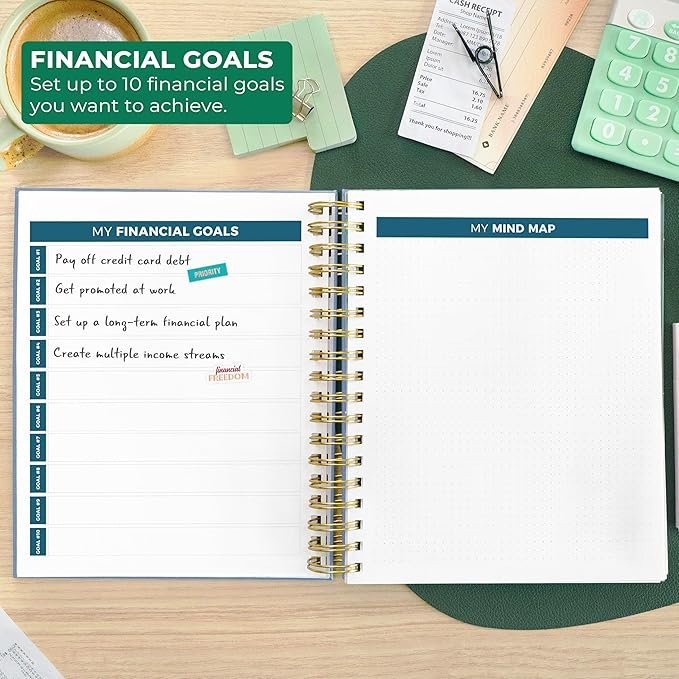
This can feel overwhelming, but it’s a necessary step toward success. Many people find it helpful to use a dedicated tool for this. A simple, helpful option is a dedicated budget planner notebook you can keep with you to log things instantly, or even a great personal finance book to guide your overall strategy. Whatever tool you choose, the goal is clarity.
Once you have all your transactions, you’ll have two lists: Income and Expenses. This comparison is the single most important piece of information you need to create your new, working Monthly Budget.
Step 2: Build Your Monthly Budget Framework
Now that you know your starting point, it’s time to shape the framework of your new Monthly Budget. This is where you intentionally decide what your money will do for you. This step shifts you from simply reacting to your bills to proactively managing your cash.
Prioritize Needs Over Wants
When you look at your list of expenses, you need to be honest about what is a need and what is a want. Needs are essential for survival: shelter, food, basic utilities, and minimum debt payments. Wants are everything else: streaming services, new clothes, eating out, and expensive hobbies.
To truly Save Money and build a solid Monthly Budget, you have to cut or reduce the wants first. Challenge every single non-essential expense on your list. This doesn’t mean giving up everything you enjoy, but it does mean making conscious choices.
Discover the Power of Zero-Based Budgeting
The most powerful method for making your Monthly Budget work is called Zero-Based Budgeting. It’s a simple concept: Income – Expenses = $0. Every single dollar of your income is assigned a job.
This doesn’t mean you spend all your money. It means you assign those dollars to expenses, savings, or debt payments until the remaining balance is zero. You might assign $300 to your savings account, $500 to rent, and $100 to groceries. Every dollar has a purpose.
When your income minus all your allocated spending equals zero, you have a complete and effective plan. This clarity is what helps people finally stop wondering where their money went. It’s a simple, brilliant framework for true Personal Finance control.
Set Achievable Financial Goals
Why are you doing all this work? To achieve your Financial Goals, of course! Your Monthly Budget is the vehicle to get you there. Start by identifying what you want to achieve in the short, medium, and long term.
Short-term goals might be building a $1,000 emergency fund or saving for a holiday gift. Medium-term could be saving for a down payment on a car. Long-term is often retirement or paying off your mortgage.
Every goal should have a specific dollar amount and a timeline. Once you have a goal, you can assign a portion of your Monthly Budget to that saving category. Your budget now has a clear and inspiring mission.
Step 3: Review, Adjust, and Master Your Monthly Budget
The best budget in the world is useless if you don’t stick to it. This final major step is about putting your plan into action and creating the habits that make it sustainable. Think of your Monthly Budget as a living document, not a rigid contract.
The Mid-Month Check-In
Consistency is the secret sauce to a successful Monthly Budget. You must regularly Track Spending against your plan, and the best way to do this is with a mid-month check-in. Sit down around the 15th of the month and look at your spending.
Are you on track with groceries? Did you overspend on entertainment? This check-in gives you time to make adjustments before the month is over. If you splurged on dining out, you can choose to cut back on another category, like shopping, for the rest of the month.
Dealing with Unexpected Expenses
Life happens, and sometimes a broken-down car or an unexpected trip to the doctor throws your whole Monthly Budget off track. This is why building an emergency fund is one of the most critical Financial Goals you can have.
If you have an expense you can’t cover right now, you need to budget for it next month. Take that expense, divide it into two or three payments, and dedicate money toward it in your next few budgets. Don’t let one surprise expense derail your whole plan.
3 Key Differences: Debt Snowball vs. Debt Avalanche Methods for Paying Off Debt
If one of your primary challenges is consumer debt, your Monthly Budget needs to include a strong debt payoff strategy. Knowing how to efficiently allocate the money you’ve freed up is essential. There are two main strategies you should understand before you finalize your plan.
One of the most common questions people ask is how to best tackle credit card balances or loans. To help you decide the best approach for your specific situation, you should check out the details of these two popular strategies: 3 Key Differences: Debt Snowball vs. Debt Avalanche Methods for Paying Off Debt.
Tools to Simplify Your Monthly Budget
You don’t need to spend money to save money. There are tons of fantastic, free resources available to help you manage your Monthly Budget. Choose a tool that fits your comfort level and makes it easy to regularly Track Spending.
For the tech-savvy, many excellent budgeting apps like YNAB (You Need A Budget), EveryDollar, or personal finance software offer powerful features for tracking and categorization. These often link directly to your bank accounts for seamless data entry.
If you prefer a hands-on approach, you can find free, downloadable Budgeting Template spreadsheets online. Google Sheets and Microsoft Excel both have great, simple templates to get you started. For the paper-and-pencil types, a simple binder with printed sheets can be a great visual tool. The best tool is the one you will actually use consistently!
Conclusion
Congratulations! You now have the step-by-step roadmap to create a Monthly Budget that genuinely works. We started by knowing your net income and accurately tracking every expense. Then, you learned to build your framework using the powerful philosophy of Zero-Based Budgeting and setting clear Financial Goals.
Now the real work begins: the consistent review and adjustment. Don’t be discouraged if you struggle at first; personal finance is a learned skill, not an innate talent. Every successful budgeter has had months that were a little messy.
The power of a consistent Monthly Budget is that it removes the guesswork and the stress. It transforms your relationship with money from one of fear to one of control. Start small, stay consistent, and commit to this process. Your future financial freedom is absolutely worth the effort.
Ready to take the next step? Go grab your bank statements and get started on your first successful budget today!